
Process of Rainwater Harvesting System Maintenance
Rainwater harvesting system maintenance is important for ensuring long-term performance and efficiency.
Water scarcity is becoming a serious concern in many parts of the world, making water conservation more important than ever. One of the most effective solutions to manage water resources is rainwater harvesting. A rainwater harvesting system collects rainwater from rooftops or other surfaces and directs it through pipes and rainwater filters into storage tanks or groundwater recharge structures. However, to ensure long-term performance and efficiency, a proper rainwater harvesting system is essential.
Without regular maintenance, dust, debris, leaves, and sediments can clog pipes, damage filters, and reduce groundwater recharge capacity. Proper inspection and cleaning ensure the system operates efficiently and continues to support water conservation efforts.
Professional maintenance services provided by experienced companies such as NIPSTec Rainwater Harvesting Solutions help ensure that rainwater harvesting systems operate efficiently and remain functional for many years.
Step-by-Step Process for Rainwater Harvesting Maintenance
1. Cleaning the Catchment Area
The catchment area is the surface where rainwater is first collected. In most buildings, the roof acts as the primary catchment surface.
Over time, rooftops accumulate dust, leaves, bird droppings, and debris. If not cleaned regularly, these contaminants may enter the rainwater harvesting system, reducing its efficiency.
Maintenance process:
- Inspect rooftops regularly, especially before the monsoon season
- Remove leaves, dust, and debris from the roof surface
- Ensure gutters and outlets are free from blockage
2. Cleaning of Rainwater Filters
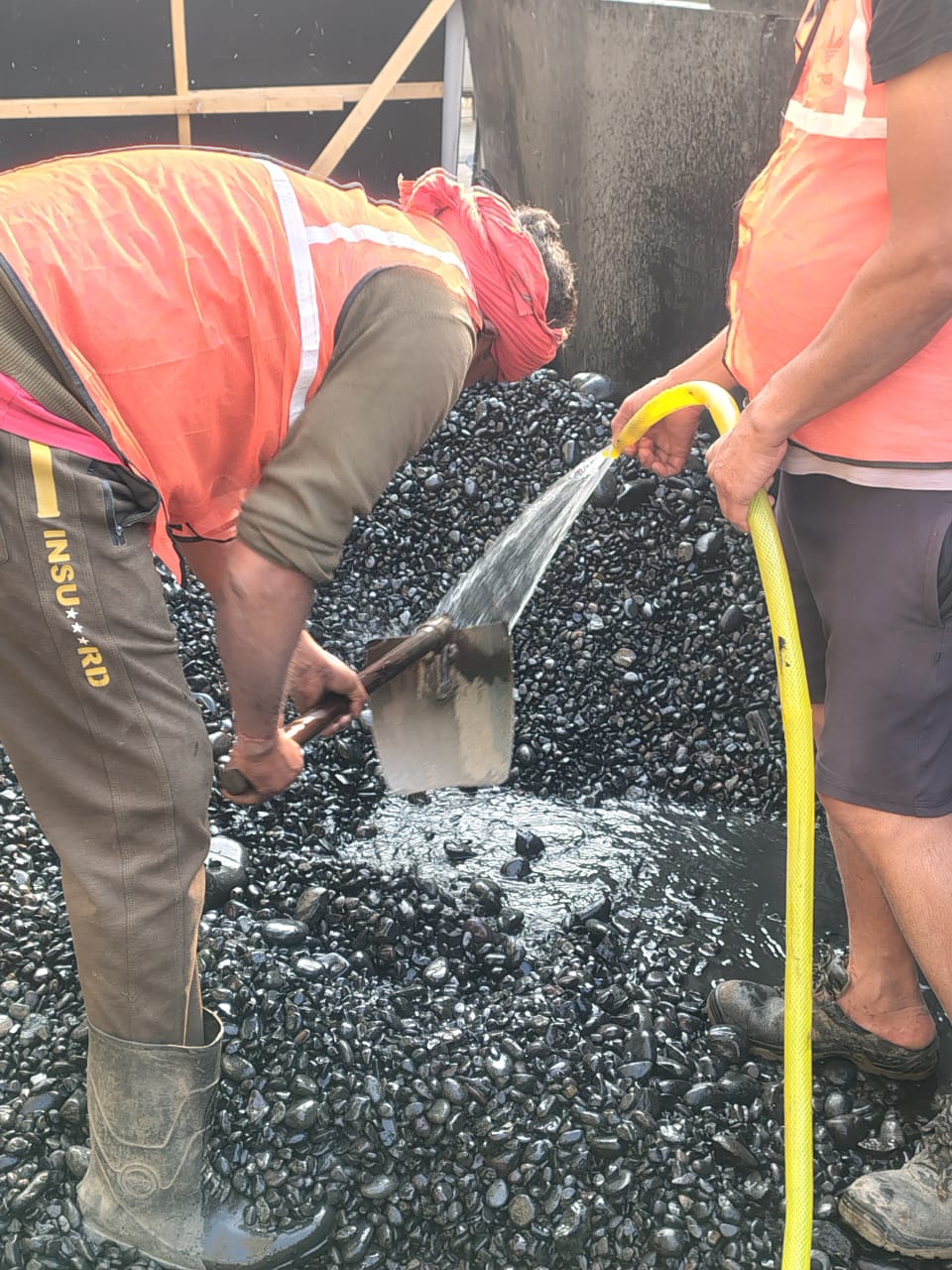
Rainwater filters remove impurities from rainwater before it enters the recharge structure or storage tank.
Over time, filter media may accumulate dirt and sediment, reducing filtration efficiency.
Maintenance process:
- Remove and wash the filter media regularly
- Replace damaged filter materials if necessary
- Ensure the filter chamber remains clean and free from blockage
3. Maintenance of Pipes and Drainage Channels
Pipes and drainage channels carry rainwater from rooftops to filters and groundwater recharge structures.
Maintenance process:
- Inspect pipes for cracks or leaks
- Remove blockages caused by leaves or debris
4. Cleaning of Recharge Pits
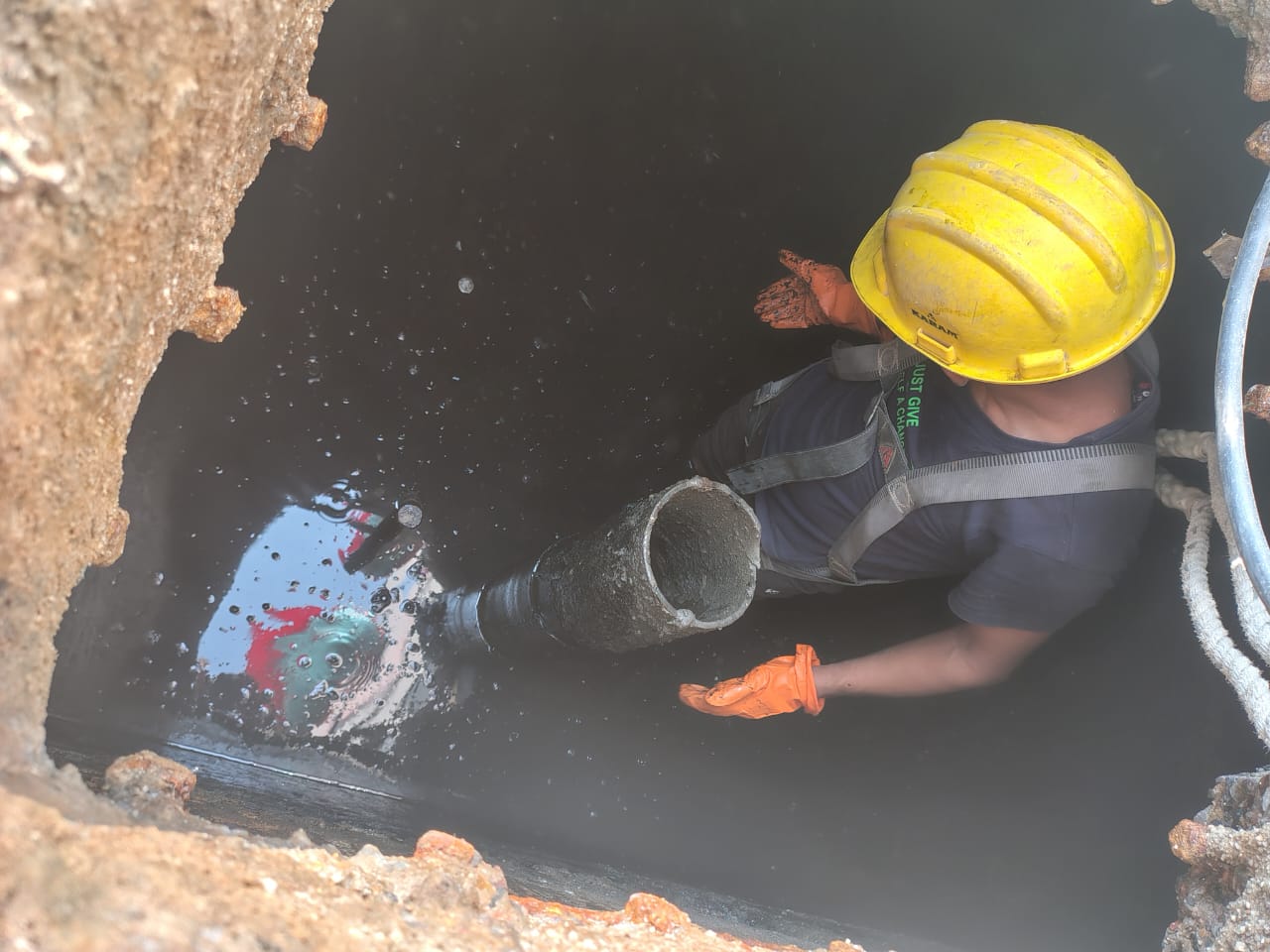
Recharge pits allow rainwater to seep into the ground, replenishing groundwater levels.
Over time, these pits may accumulate silt and debris, reducing groundwater recharge efficiency.
Maintenance process:
- Remove accumulated silt and debris
- Clean gravel and sand filter layers
5. Borewell and Recharge Structure Cleaning
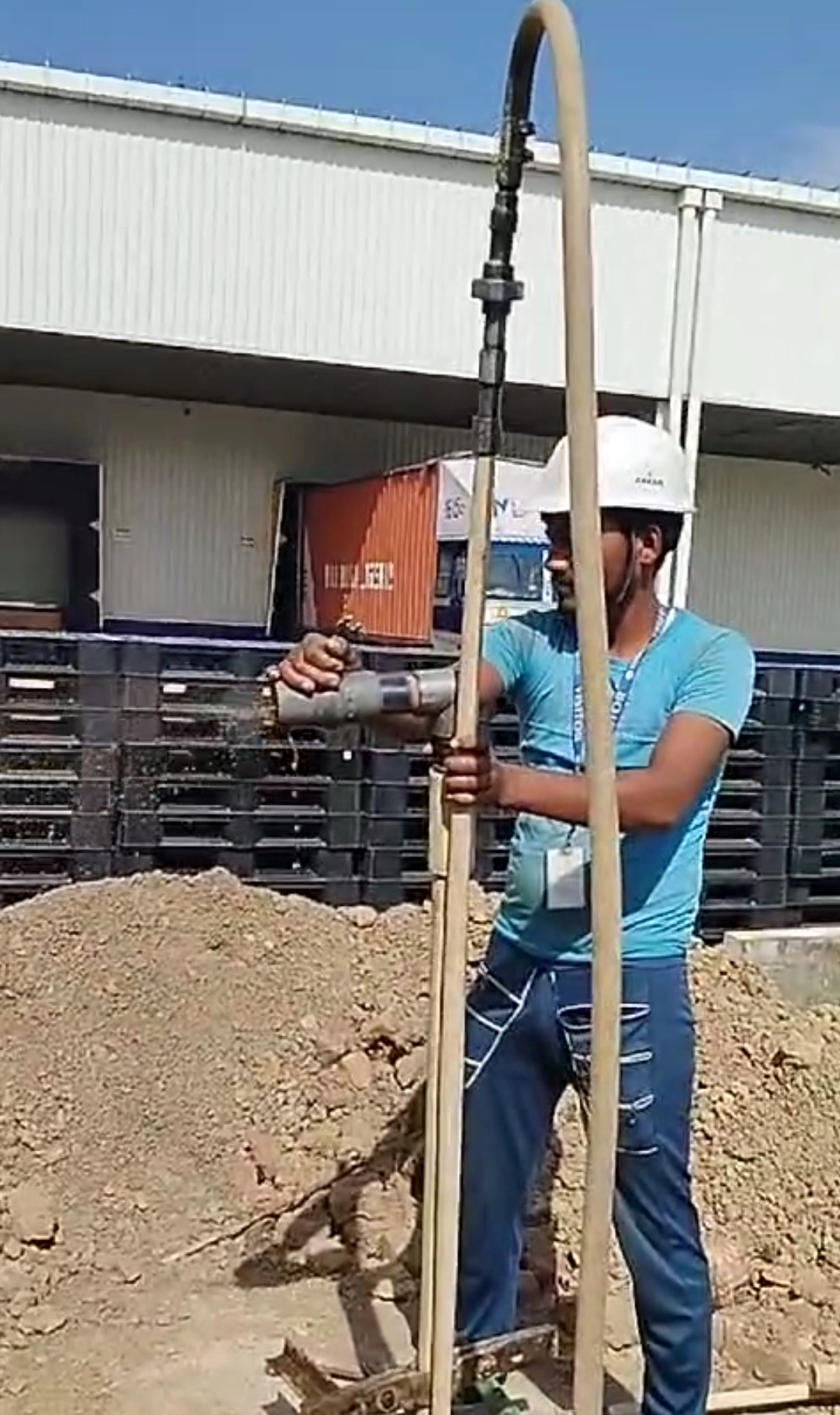
Many rainwater harvesting systems include recharge borewells that allow rainwater to recharge underground aquifers directly.
Maintenance process:
- Clean the borewell using suitable equipment
- Remove silt and deposits from inside the borewell
6. Disposal of Debris and Waste Material
Maintenance activities often generate debris such as leaves, dirt, and silt during rainwater harvesting system maintenance.
Maintenance process:
- Collect debris removed during cleaning
- Dispose of waste materials
- Restore the surrounding area after maintenance work
Conclusion
Rainwater harvesting is an effective solution to address water scarcity and promote sustainable water management. However, installing a rainwater harvesting system alone is not sufficient. Proper rainwater harvesting system maintenance is essential to ensure long-term efficiency.
Regular cleaning of rooftops, rainwater filters, pipes, recharge pits, and recharge borewells ensures that the system functions effectively. With professional maintenance services from experienced providers such as NIPSTec, rainwater harvesting systems can improve groundwater levels and support long-term water conservation.
To learn more about water conservation initiatives, visit
Government of India water conservation programs.
You can also explore our rainwater harvesting services for professional installation and maintenance solutions.
Regular rainwater harvesting system maintenance helps improve the life of the system and ensures effective groundwater recharge. Proper cleaning of filters, recharge pits, and borewells keeps the system functioning efficiently and supports sustainable water management for residential, commercial, and industrial buildings.
Proper rainwater harvesting system maintenance also improves water quality and helps maintain a reliable and sustainable water supply for future generations.

